Fine Motor Skill Development Activities
Kindergarten readiness hinges significantly on the development of fine motor skills. These small muscle movements in the hands and fingers are crucial for tasks like writing, cutting, and manipulating objects. Strengthening these skills prepares children for the demands of classroom learning.
-
Playdough Exploration: Playdough is a versatile tool for developing hand strength and dexterity. Encourage children to roll, pinch, squeeze, and shape the dough into various forms. Provide cookie cutters, rollers, and other tools to enhance the sensory experience and promote creativity. This tactile activity strengthens hand muscles and improves hand-eye coordination. Consider homemade playdough recipes using natural ingredients like flour, salt, and food coloring to minimize exposure to chemicals. Introduce themes like animals, food, or shapes to add a learning dimension. For example, have them create playdough letters or numbers.
-
Bead Stringing and Lacing: Stringing beads onto a string or lacing cards helps refine pincer grasp and hand-eye coordination. Start with larger beads and thicker strings for younger children and gradually introduce smaller beads and thinner strings as their skills improve. Create patterns with the beads to introduce sequencing and color recognition. Lacing cards with different shapes and designs can further enhance fine motor control. Focus on tasks that require precision and controlled movements. Encourage children to use their thumb and forefinger to pick up and thread the beads, promoting a more refined grasp.
-
Cutting Practice with Scissors: Safe scissor use is an essential skill for kindergarten. Begin with safety scissors designed for small hands and provide opportunities to practice cutting along lines, curves, and shapes. Start with simple straight lines and gradually introduce more complex patterns. Recycle old magazines or newspapers for cutting practice, reducing waste and providing engaging visuals. Emphasize proper scissor grip and posture. Supervise children closely during this activity to ensure safe scissor handling. Introduce themed cutting activities, such as cutting out shapes for a collage or creating paper snowflakes.
-
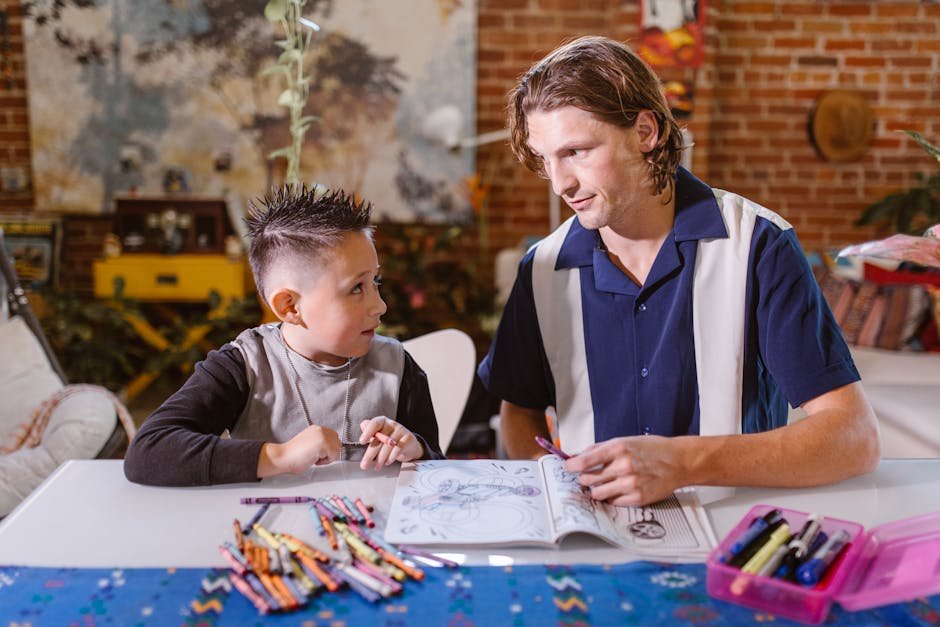
Drawing and Coloring Activities: Drawing and coloring are fundamental activities that promote fine motor control, creativity, and pre-writing skills. Provide a variety of drawing tools, such as crayons, markers, colored pencils, and chalk. Encourage children to draw freely and explore different art techniques. Introduce coloring pages with various themes and complexity levels. Encourage children to stay within the lines and use different colors to express their creativity. Focus on holding the crayon or pencil correctly and developing control over hand movements. Explore different drawing techniques like shading, stippling, and cross-hatching to introduce more advanced concepts.
-
Building with Blocks and Construction Toys: Building with blocks, LEGOs, or other construction toys strengthens hand muscles, improves spatial reasoning, and encourages problem-solving skills. Encourage children to build structures, towers, or other creations. Provide open-ended building challenges to stimulate creativity and critical thinking. These activities enhance hand-eye coordination and spatial awareness, which are important for math and science concepts. Introduce different types of blocks with varying sizes, shapes, and textures to enhance the sensory experience and challenge fine motor skills in different ways.
Gross Motor Skill Development Activities
Gross motor skills involve large muscle movements and are equally important for kindergarten readiness. Activities that promote balance, coordination, and strength prepare children for physical activities in the classroom and on the playground.
-
Outdoor Play and Games: Spending time outdoors is crucial for developing gross motor skills. Encourage activities like running, jumping, skipping, and climbing. Play games like tag, hopscotch, and red light, green light to improve coordination and agility. Create an outdoor obstacle course using cones, hula hoops, and jump ropes to challenge children’s physical abilities. Focus on developing balance, coordination, and spatial awareness. Encourage teamwork and social interaction through group games. Adapt the activities to suit different skill levels and abilities.
-
Creative Movement and Dance: Dancing, movement games, and creative expression through physical activity enhance coordination, rhythm, and body awareness. Play music and encourage children to move freely or follow specific dance steps. Incorporate props like scarves, ribbons, or balloons to add visual and tactile stimulation. Introduce different types of music and dance styles to broaden their cultural awareness. Focus on encouraging self-expression and creativity through movement. Incorporate elements of storytelling or drama to enhance engagement and imagination.
-
Ball Games and Throwing Activities: Throwing, catching, and kicking a ball improves hand-eye coordination, spatial awareness, and gross motor control. Start with larger balls and gradually introduce smaller balls as their skills improve. Play simple games like catch, kickball, or soccer. Practice throwing balls at a target to improve accuracy. Introduce different types of balls with varying sizes and weights to challenge different muscle groups. Focus on developing proper throwing and catching techniques. Incorporate elements of teamwork and cooperation in ball games.
-
Balance Beam and Obstacle Courses: Walking on a balance beam or navigating an obstacle course improves balance, coordination, and spatial awareness. Create a simple balance beam using a piece of wood or tape on the floor. Set up an obstacle course using pillows, blankets, and furniture. Encourage children to walk, jump, and crawl through the obstacle course. Focus on developing balance, coordination, and spatial awareness. Adapt the obstacle course to suit different skill levels and abilities. Incorporate elements of problem-solving and critical thinking in the obstacle course design.
-
Riding Bikes and Scooters: Riding bikes and scooters is a fun and effective way to improve balance, coordination, and gross motor skills. Provide helmets and safety gear to ensure a safe riding environment. Encourage children to ride on smooth, paved surfaces. Start with tricycles or balance bikes for younger children and gradually introduce bicycles with training wheels. Focus on developing balance, coordination, and spatial awareness. Teach children about traffic safety rules and responsible riding practices. Encourage them to ride regularly to improve their physical fitness and coordination.
Cognitive and Academic Readiness Activities
Cognitive and academic readiness involves developing pre-reading, pre-math, and problem-solving skills. These skills are essential for success in kindergarten.
-
Storytelling and Reading Aloud: Reading aloud to children exposes them to new vocabulary, concepts, and perspectives. Choose books with engaging stories, colorful illustrations, and interactive elements. Ask questions about the story to encourage comprehension and critical thinking. Encourage children to retell the story in their own words. Visit the library regularly to explore new books and authors.
-
Letter and Number Recognition Games: Introduce letters and numbers through fun and engaging games. Use alphabet blocks, flashcards, or online games to help children learn to recognize letters and numbers. Play games like “I Spy” with letters and numbers. Encourage children to write letters and numbers on paper or in sand. Focus on developing letter-sound correspondence and number sense.
-
Counting and Sorting Activities: Counting and sorting activities help children develop number sense, logical thinking, and problem-solving skills. Use everyday objects like toys, buttons, or beads for counting and sorting. Play games like “Simon Says” with numbers. Encourage children to sort objects by color, shape, or size. Focus on developing one-to-one correspondence and understanding quantity.
-
Shape and Color Identification: Learning to identify shapes and colors is a fundamental skill for kindergarten readiness. Use flashcards, puzzles, or coloring books to help children learn to recognize shapes and colors. Play games like “Shape Scavenger Hunt” or “Color Matching Game.” Encourage children to draw shapes and color them in. Focus on developing visual discrimination and spatial awareness.
-
Puzzles and Problem-Solving Games: Puzzles and problem-solving games enhance critical thinking, spatial reasoning, and problem-solving skills. Start with simple puzzles with large pieces and gradually introduce more complex puzzles with smaller pieces. Play games like “Memory Match” or “Sudoku for Kids.” Encourage children to think critically and develop strategies to solve problems. Focus on developing logical thinking and spatial awareness.
Social and Emotional Development Activities
Social and emotional development is crucial for kindergarten success. Children need to learn how to interact with others, manage their emotions, and follow rules.
-
Cooperative Games and Activities: Cooperative games and activities encourage teamwork, communication, and social interaction. Play games like “Building a Tower Together” or “Cooperative Drawing.” Encourage children to share, take turns, and work together to achieve a common goal. Focus on developing empathy, communication skills, and conflict resolution skills.
-
Role-Playing and Dramatic Play: Role-playing and dramatic play allow children to explore different social roles, practice communication skills, and develop empathy. Provide props like costumes, hats, and puppets to enhance the experience. Encourage children to act out different scenarios and resolve conflicts. Focus on developing imagination, creativity, and social skills.
-
Circle Time and Group Discussions: Circle time and group discussions provide opportunities for children to share their thoughts and feelings, listen to others, and practice communication skills. Read books that address social and emotional issues and discuss them as a group. Encourage children to express their opinions and listen respectfully to others. Focus on developing communication skills, empathy, and social awareness.
-
Emotion Recognition and Expression Activities: Helping children recognize and express their emotions is crucial for developing emotional intelligence. Use flashcards with pictures of different emotions and discuss them as a group. Encourage children to draw or write about their feelings. Practice strategies for managing difficult emotions like anger and sadness. Focus on developing self-awareness, emotional regulation, and empathy.
-
Following Rules and Routines: Learning to follow rules and routines is essential for success in kindergarten. Establish clear rules and routines for playtime, mealtime, and bedtime. Explain the reasons behind the rules and routines. Provide consistent reminders and positive reinforcement. Focus on developing self-discipline, responsibility, and respect for others.
These activities provide a comprehensive framework for preparing children for kindergarten. Remember to adapt the activities to suit individual needs and interests.