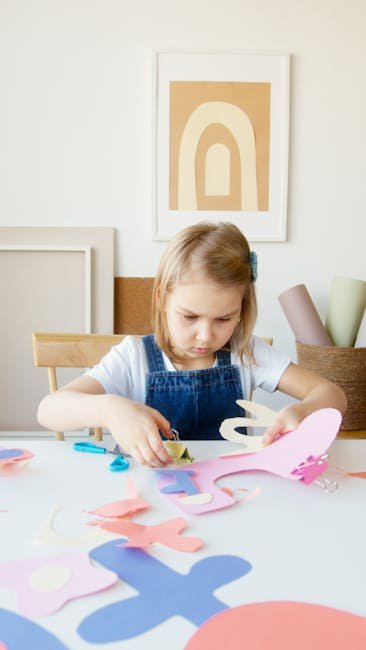
Easy Art Projects: Preschoolers’ Artistic Adventures
Understanding Preschoolers and Art
Preschoolers, typically aged 3-5, are at a critical stage of development where exploration and discovery are paramount. Their fine motor skills are still developing, attention spans are short, and imaginations are boundless. Art projects designed for this age group should capitalize on these characteristics, emphasizing process over product. The focus should be on experimentation with materials, sensory exploration, and fostering creativity, rather than achieving a perfectly replicated image. It’s crucial to remember that every child develops at their own pace, so flexibility and encouragement are key. Avoid overly complex instructions or rigid expectations. The goal is to make art a fun, positive, and empowering experience that nurtures self-expression and builds confidence.
Choosing the Right Art Supplies
Selecting appropriate art supplies is essential for both safety and success. Opt for non-toxic, washable materials specifically designed for children. Consider these staples:
-
Paints: Tempera paints are ideal due to their affordability, washability, and vibrant colors. Watercolor paints can also be introduced, but with careful supervision, as they can be less forgiving. Finger paints offer a fantastic sensory experience, encouraging direct interaction with the medium. Avoid oil-based paints and acrylic paints, as they are difficult to remove and may contain harmful chemicals.
-
Paper: Construction paper is a classic choice, available in a wide array of colors. Butcher paper provides a large surface for collaborative projects or individual murals. Cardstock offers a sturdier base for heavier applications like collage or painting with thick materials. Recycled paper, such as newspaper or cardboard boxes, can be repurposed for eco-friendly art endeavors.
-
Brushes: Choose brushes with chunky handles that are easy for small hands to grip. Different brush sizes and shapes allow for varied strokes and textures. Sponge brushes are great for applying paint to larger areas quickly and evenly.
-
Crayons and Markers: Opt for washable crayons and markers to minimize messes. Large crayons are easier for preschoolers to hold and manipulate. Consider triangular-shaped crayons to encourage proper grip.
-
Glue: School glue (white glue) is a reliable and safe option. Glue sticks are less messy but may not be suitable for adhering heavier materials.
-
Scissors: Blunt-tipped scissors specifically designed for children are a must. Supervise preschoolers closely during cutting activities.
-
Other Materials: Explore incorporating natural materials like leaves, twigs, pebbles, and shells into art projects. Recycled materials such as bottle caps, yarn scraps, fabric remnants, and cardboard tubes offer endless possibilities.
Art Project Ideas: Fostering Creativity and Skill Development
Here are several easy art project ideas tailored for preschoolers, focusing on process, sensory exploration, and skill development:
-
Finger Painting Extravaganza: Provide finger paints in various colors and large sheets of paper. Encourage children to explore the texture and mixing of colors directly with their fingers. This is a fantastic sensory experience that helps develop fine motor skills and hand-eye coordination. Consider using shaving cream as a base for finger paint to add another sensory dimension.
-
Sponge Painting: Cut sponges into different shapes (stars, hearts, squares) and provide them with paint and paper. Children can dip the sponges into the paint and press them onto the paper to create patterns and designs. This activity encourages experimentation with shapes and colors and is less messy than finger painting.
-
Nature Collages: Collect natural materials like leaves, twigs, flowers, and pebbles. Provide children with paper and glue and encourage them to create collages using the collected items. This project promotes observation of nature and develops fine motor skills. Discuss the different colors, textures, and shapes of the natural materials.
-
Bubble Painting: Mix dish soap with paint and water. Use a straw to blow bubbles onto paper, creating unique and abstract designs. This project is visually appealing and encourages experimentation with different techniques. Supervise closely to prevent children from swallowing the soapy mixture.
-
Potato Printing: Cut potatoes in half and carve simple shapes into the flat surface (stars, circles, triangles). Provide paint and paper and allow children to use the potato stamps to create repeating patterns. This is a fun and easy way to introduce the concept of printmaking.
-
Yarn Painting: Dip yarn or string into paint and drag it across paper to create abstract lines and patterns. This project encourages experimentation with color and movement. Vary the thickness and texture of the yarn for different effects.
-
Paper Plate Masks: Provide paper plates, crayons, markers, and various decorative materials (yarn, glitter, feathers). Help children cut out eye holes and then encourage them to decorate the plates to create masks. This activity promotes imaginative play and self-expression.
-
Handprint and Footprint Art: Use paint to create handprints and footprints on paper. Transform the prints into animals, flowers, or other creative designs. This is a fun and personal way to capture a child’s growth and development.
-
Pasta Art: Dry pasta comes in a multitude of shapes. Glue different pasta shapes onto paper to create unique patterns or pictures. Once the glue is dry, the pasta can be painted. This project promotes fine motor skills and creativity.
-
Crayon Resist Painting: Draw a picture with crayons on white paper, pressing firmly. Then, paint over the drawing with watercolor paints. The crayon wax will resist the paint, revealing the drawing underneath. This project introduces the concept of resist art and creates visually stunning results.
Creating a Positive Art Environment
- Prepare the Space: Cover surfaces with newspaper or a plastic tablecloth to protect them from paint and other art materials. Provide aprons or old t-shirts to protect clothing.
- Keep it Simple: Avoid overly complicated instructions. Focus on the process of creating art rather than the end result.
- Encourage Experimentation: Allow children to explore different materials and techniques without judgment.
- Provide Positive Feedback: Focus on effort and creativity rather than technical skill. Use encouraging phrases like “I love how you used those colors!” or “That’s a very creative idea!”
- Display Artwork: Proudly display children’s artwork to boost their self-esteem and encourage further creativity.
- Clean Up Together: Involve children in the cleanup process to teach responsibility and respect for materials.
Adapting Projects for Different Skill Levels
These projects can be easily adapted for different skill levels and developmental stages. For younger preschoolers, simplify the instructions and provide more assistance. For older preschoolers, challenge them with more complex tasks and encourage them to explore their own ideas. The key is to be flexible and responsive to each child’s individual needs and abilities. Remember that the primary goal is to foster a love of art and creative expression.