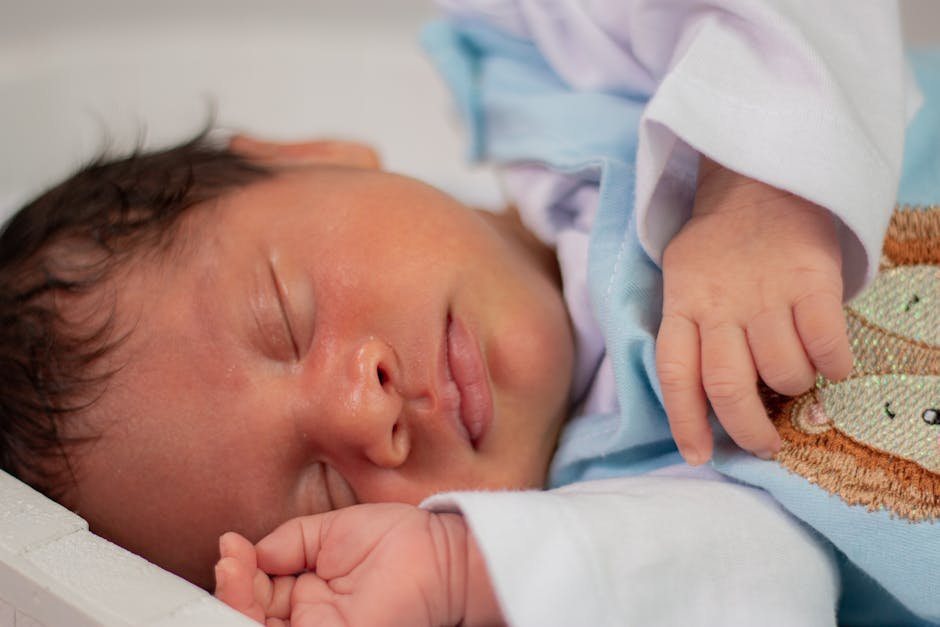
Sweet Dreams: Safe and Effective Sleeping Positions for Newborns
The arrival of a newborn brings immense joy, but also a wave of questions and concerns. Ensuring their safety and comfort during sleep is paramount, as newborns spend a significant portion of their early lives asleep. Choosing the right sleeping position is a crucial aspect of newborn care, directly impacting their risk of Sudden Infant Death Syndrome (SIDS) and influencing their overall well-being. This article delves into the safest and most effective sleeping positions for newborns, offering practical advice and evidence-based recommendations to guide parents through this critical period.
The Back is Best: Understanding the Safe Sleep Recommendations
The “Back to Sleep” campaign, launched in the 1990s, revolutionized newborn sleep safety. Extensive research overwhelmingly demonstrates that placing newborns on their backs to sleep significantly reduces the risk of SIDS. This recommendation is supported by leading health organizations worldwide, including the American Academy of Pediatrics (AAP) and the National Institute of Child Health and Human Development (NICHD).
-
Mechanism of Protection: The back-sleeping position offers several protective mechanisms against SIDS. When a baby sleeps on their stomach, their face may press against the mattress, potentially restricting airflow and increasing the risk of suffocation. Additionally, stomach sleeping can lead to rebreathing exhaled air, which contains higher levels of carbon dioxide and lower levels of oxygen. Back sleeping minimizes these risks, allowing for unobstructed breathing.
-
Practical Application: Place your newborn on their back for every sleep, both naps and nighttime sleep. Ensure the crib mattress is firm and flat, covered only with a fitted sheet. Avoid using loose bedding, such as blankets, pillows, or bumper pads, as these can pose a suffocation hazard.
-
Addressing Concerns about Spitting Up: Some parents worry that back-sleeping increases the risk of choking on spit-up. However, newborns have a natural gag reflex that helps them clear their airways. Studies have shown that back-sleeping does not increase the risk of choking. If your baby spits up while on their back, gravity will assist in clearing their airway. If you are concerned, consult with your pediatrician.
Tummy Time: Essential for Development, but Only During Awake Supervision
While back-sleeping is crucial for safe sleep, tummy time is equally important for your newborn’s development. Tummy time refers to the practice of placing your baby on their stomach while they are awake and supervised. This activity helps strengthen their neck, shoulder, and back muscles, preparing them for rolling over, sitting up, and eventually crawling.
-
Benefits of Tummy Time: Tummy time helps prevent flat spots on the back of the head (positional plagiocephaly), which can occur from prolonged back-sleeping. It also promotes motor skill development, visual tracking, and sensory exploration.
-
Introducing Tummy Time: Start with short sessions of tummy time, perhaps 2-3 minutes, several times a day. Gradually increase the duration as your baby gets stronger and more comfortable. Engage with your baby during tummy time by talking, singing, or playing with toys.
-
Supervision is Key: Never leave your baby unattended during tummy time. Constant supervision is essential to ensure their safety and well-being. Tummy time should only occur when your baby is awake and alert. Never allow your baby to sleep on their stomach.
Side Sleeping: AVOID for Newborns
Side sleeping is not recommended for newborns due to the increased risk of SIDS. While it may seem like a comfortable position, it is inherently unstable and can easily lead to your baby rolling onto their stomach.
-
Risk of Rolling Over: Newborns lack the muscle strength and coordination to consistently maintain a side-sleeping position. They are likely to roll onto their stomach, increasing the risk of suffocation and SIDS.
-
Unpredictable Breathing Patterns: Studies have shown that side sleeping can disrupt breathing patterns in newborns, leading to decreased oxygen levels and increased carbon dioxide levels.
-
Consistency is Crucial: Maintaining a consistent back-sleeping position is essential for minimizing the risk of SIDS. Avoid using pillows, rolled towels, or other objects to prop your baby on their side, as these can create a dangerous sleeping environment.
Creating a Safe Sleep Environment: Beyond Position
The sleeping position is just one element of creating a safe sleep environment for your newborn. Several other factors contribute to reducing the risk of SIDS and promoting peaceful sleep.
-
Firm Mattress and Fitted Sheet: Use a firm, flat mattress that fits snugly in the crib. Cover the mattress with a fitted sheet only. Avoid using loose bedding, such as blankets, pillows, quilts, or bumper pads.
-
Bare Crib: The crib should be free of toys, stuffed animals, and other objects that could pose a suffocation hazard. A pacifier is acceptable and may even have a protective effect against SIDS, but it should not be attached to a string or ribbon.
-
Room Sharing (Without Bed Sharing): The AAP recommends that newborns sleep in the same room as their parents for at least the first six months, ideally for the first year. This practice allows for close monitoring and quick intervention if needed. However, bed-sharing (sleeping in the same bed as your baby) is strongly discouraged due to the increased risk of SIDS.
-
Optimal Room Temperature: Maintain a comfortable room temperature for your baby. Avoid overheating, as this can increase the risk of SIDS. A good rule of thumb is to dress your baby lightly and avoid overdressing them.
-
Smoke-Free Environment: Exposure to secondhand smoke significantly increases the risk of SIDS. Ensure that your baby’s environment is smoke-free, both during pregnancy and after birth.
Addressing Special Circumstances: Medical Conditions and Reflux
In some cases, medical conditions may warrant exceptions to the standard back-sleeping recommendation. If your baby has been diagnosed with a specific medical condition, such as severe reflux or certain respiratory problems, your pediatrician may recommend a different sleeping position.
-
Consult Your Pediatrician: It is crucial to discuss any concerns or questions about your baby’s sleeping position with your pediatrician. They can provide personalized advice based on your baby’s individual needs and medical history.
-
Medical Justification: Any deviation from the back-sleeping recommendation should be based on a clear medical justification provided by your pediatrician. They will weigh the risks and benefits of different sleeping positions and make the best recommendation for your baby’s health.
-
Documentation and Monitoring: If an alternative sleeping position is recommended, ensure that it is properly documented in your baby’s medical record. Closely monitor your baby for any signs of distress or breathing difficulties and report any concerns to your pediatrician immediately.
Conclusion
Prioritizing safe sleep practices is paramount for every newborn. The back-sleeping position remains the cornerstone of SIDS prevention. Coupled with a safe sleep environment and consistent adherence to recommended guidelines, parents can significantly reduce the risk and create a comfortable and secure haven for their little one’s sweet dreams. Consulting with your pediatrician is always recommended to address any specific concerns or medical conditions that may influence your baby’s optimal sleeping position. By staying informed and proactive, you can provide your newborn with the best possible start in life.